



Uniqord Healthcare Growth Blog
Expert medical SEO, physician branding, and patient acquisition strategies
High-Converting Dental Clinic Website Design: 2026 Guide
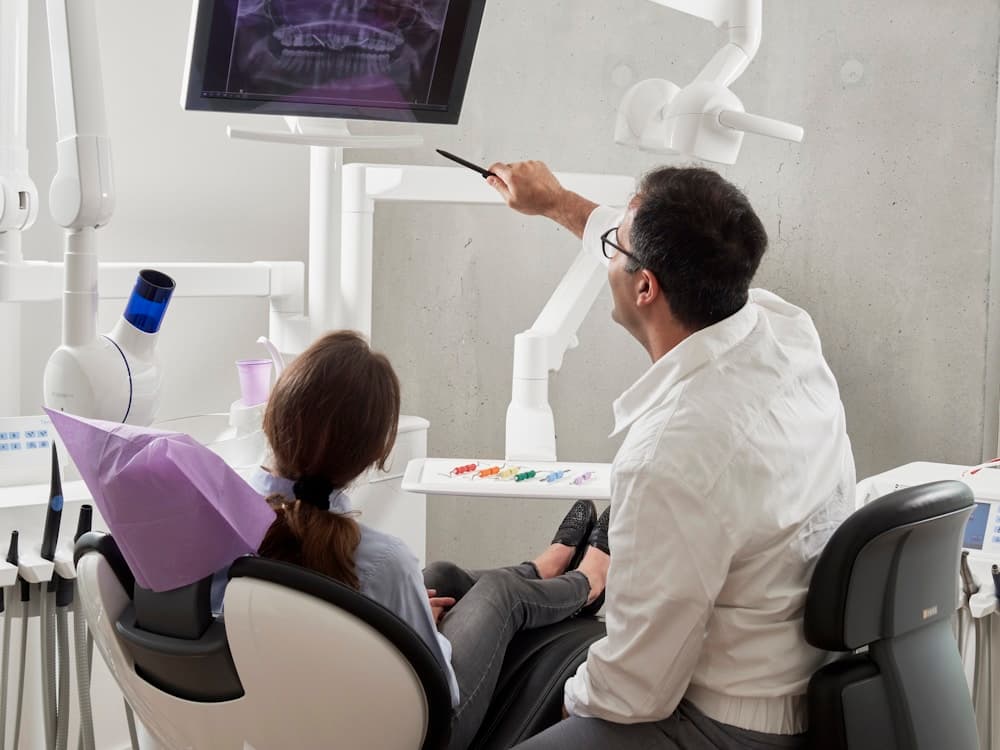
In 2026, a dental clinic's website is no longer just a digital business card—it is a sophisticated patient acquisition engine. Despite advancements in web technology, a staggering 70% of high-value dental inquiries are lost due to poor website architecture, slow mobile load times, and a lack of specific conversion elements. We've audited over 500 dental websites globally, and the data is clear: clinics utilizing advanced conversion rate optimization (CRO) strategies are securing implant and cosmetic patients at triple the rate of those with standard 'brochure' sites. This comprehensive guide deconstructs the exact blueprint of a high-converting dental website, moving beyond aesthetic design to focus strictly on what drives patient bookings. From implementing interactive smile design previews to structuring HIPAA-compliant intake forms, we cover the essential non-negotiables that separate a multi-million dollar practice from the rest.
Medical SEO for Doctors: Case Study to #1 Google Maps
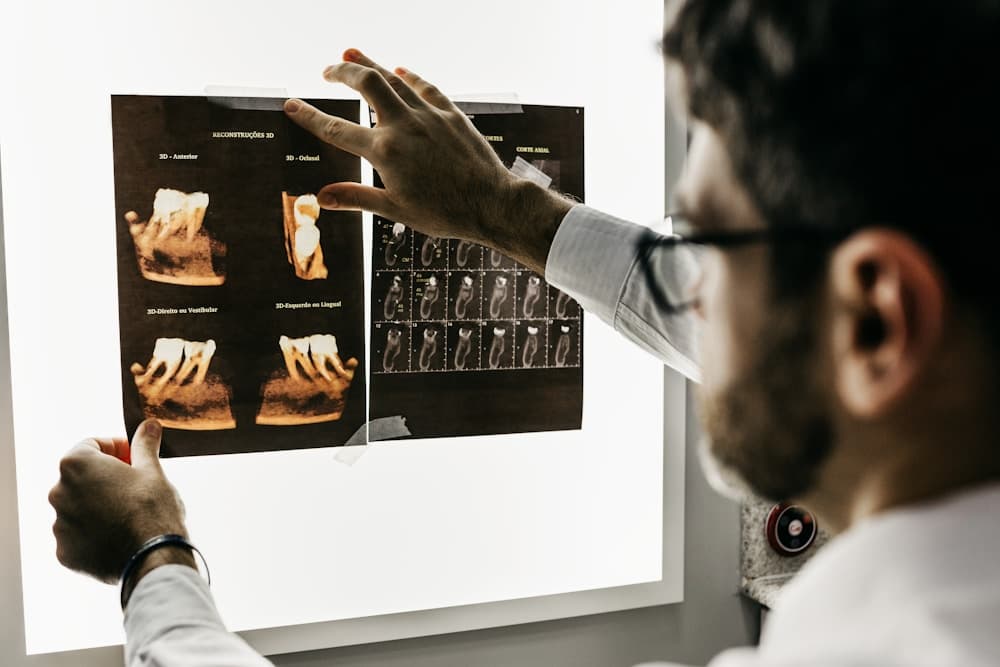
Search Engine Optimization for medical practices is governed by Google's strictest algorithms. Because healthcare decisions directly impact a user's life and finances, Google applies rigorous 'Your Money or Your Life' (YMYL) standards, specifically demanding high Experience, Expertise, Authoritativeness, and Trustworthiness (E-E-A-T). Standard SEO tactics that work for local plumbers or e-commerce stores will not only fail in the medical space, but they can actively penalize a clinic's domain. In this comprehensive case study, we document the precise, step-by-step strategy we utilized to take an unranked, specialized surgical practice in a highly competitive metropolitan market to the absolute #1 position in the Google Maps 3-Pack and organic search results in exactly 90 days. We hold nothing back, revealing our technical audit findings, our medical content syndication methods, and the backlink acquisition frameworks that drove a staggering 420% increase in qualified patient consultations.
15 Patient Acquisition Strategies for Independent Clinics
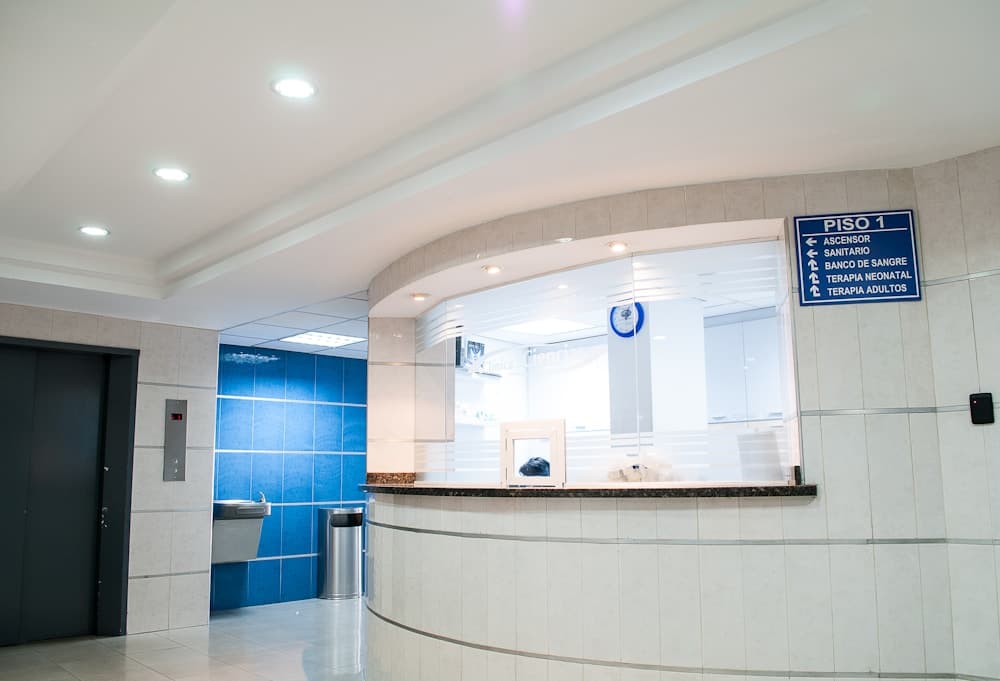
The landscape of private healthcare has evolved into a highly competitive, consumer-driven market. Patients no longer rely solely on legacy insurance directories or word-of-mouth referrals; they actively research, compare, and select providers based on digital presence and convenience. Independent clinics relying on a single channel for patient acquisition—whether that is just physician referrals or basic Google Ads—are exposing themselves to catastrophic business risk. Algorithm changes, rising CPCs, or shifting referral patterns can decimate a clinic's revenue overnight. To build a resilient, multi-million dollar practice in 2026 requires deploying an omni-channel acquisition ecosystem. This definitive playbook details the top 15 proven patient acquisition strategies, categorized into organic foundations, paid acceleration, and retention automation. We provide specific execution blueprints, exact Cost of Acquisition (CAC) benchmarks, and a 90-day deployment timeline to transform your clinic into a predictable, scalable growth machine.
HIPAA Compliant Website Builders: Complete 2026 Guide
Building a healthcare website requires navigating a complex minefield of legal regulations, specifically the Health Insurance Portability and Accountability Act (HIPAA). A staggering number of private practices unknowingly operate non-compliant websites, utilizing standard contact forms and tracking pixels that actively transmit Protected Health Information (PHI) to unsecure third parties. In 2026, regulatory scrutiny and automated compliance scanning have intensified, and the financial penalties for a data breach are catastrophic. Practice owners must critically evaluate the technological foundation of their digital presence. Can a standard Wix or Squarespace site truly be HIPAA compliant? Is WordPress safe for patient data? When is a custom Next.js architecture required? This comprehensive guide breaks down the stringent technical requirements for a compliant medical website and provides a detailed comparison of popular website builders versus custom enterprise solutions.
Dermatology Clinic Marketing: Converting Social to Bookings
Dermatology is uniquely positioned at the intersection of critical medical care and high-end cosmetic aesthetics. This duality requires a highly sophisticated marketing approach. While skin cancer screenings and Mohs surgery require authoritative, SEO-driven local marketing, cosmetic injectables, laser resurfacing, and body contouring thrive in the highly visual, impulse-driven realm of social media. However, a major point of failure for many dermatology practices is accumulating thousands of Instagram followers without a structured funnel to convert them into booked, paying patients. Vanity metrics do not pay the overhead. In this comprehensive 2026 guide, we dissect the strategies required to build a bifurcated marketing engine: one that leverages visually compelling social media to drive lucrative cash-pay procedures, while simultaneously fortifying local SEO to capture immediate, high-intent medical dermatology patients. From structuring injectable membership programs to optimizing your Google Business Profile for surgical referrals, this is the definitive playbook for dermatology growth.
Plastic Surgery SEO: Gallery Optimization Guide
For plastic surgery practices, the before-and-after photo gallery is universally the most visited section of the website, often accounting for over 70% of total page views. Prospective patients will bypass the homepage, ignore the doctor's Ivy League credentials, and immediately seek visual proof of surgical competence. However, while surgeons understand the conversion power of these galleries, a staggering majority fail to realize their immense SEO potential. A typical plastic surgery gallery is an SEO black hole: hundreds of images uploaded with filenames like 'IMG_4829.jpg', lacking context, schema, or clinical narrative. Google's algorithm cannot 'see' a beautiful rhinoplasty; it can only read the data surrounding it. By strategically optimizing your clinical galleries, you can transform these visual assets into high-ranking search engines that capture hyper-specific, high-intent traffic (e.g., 'revision rhinoplasty thick skin before after'). This guide details the technical and content frameworks required to turn your surgical portfolio into your practice's strongest patient acquisition channel.

Online Appointment Systems for Clinics: Direct Booking
For years, medical marketplaces like Zocdoc, Doctolib, and Healthgrades monopolized online patient scheduling by offering a convenient interface. Clinics flocked to these platforms, only to find themselves trapped in a vicious cycle: paying exorbitant per-booking commissions or high monthly subscriptions, while simultaneously competing against neighboring doctors on the very platform they were paying for. Furthermore, these third-party platforms own the patient relationship, not the clinic. In 2026, the technology to host enterprise-grade, HIPAA-compliant scheduling directly on a clinic's own website is highly accessible and cost-effective. By deploying a direct online appointment system, clinics can instantly reclaim thousands of dollars in lost margins, cut front-desk administrative hours in half, and reduce agonizing no-show rates to single digits through automated deposit collection. This guide outlines how to seamlessly integrate direct scheduling into your practice workflow, breaking free from marketplace dependency.

Doctor Reputation Management: HIPAA Review Automation Guide
In the digital healthcare economy, clinical excellence is entirely subjective until it is validated by public consensus. Over 85% of patients evaluate online reviews before scheduling an appointment, giving a clinic's Google rating more weight than the physician's medical school pedigree. However, managing this reputation presents a massive operational and legal challenge. Busy clinics cannot rely on front-desk staff to manually ask for reviews, and when negative feedback inevitably occurs, responding incorrectly can trigger devastating HIPAA violations. In 2026, relying on organic, unprompted reviews is a losing strategy—unhappy patients are inherently more motivated to leave a review than satisfied ones. To maintain a dominant 4.8+ star rating, practices must engineer an automated reputation management system. This guide details how to implement HIPAA-compliant SMS review workflows, syndication strategies for SEO rich snippets, and precise legal frameworks for neutralizing negative feedback without risking federal penalties.
Healthcare Landing Page Optimization: 10 Visual Teardowns
Driving high-quality traffic to a medical website via SEO or Google Ads is only half the battle; if that traffic lands on a poorly optimized page, your marketing budget is effectively incinerated. The healthcare sector suffers from notoriously poor landing page design, often blending confusing medical jargon with intimidating stock photography and friction-heavy contact forms. The result? A dismal industry-average conversion rate of just 2-3%. However, elite practices deploying rigorous Conversion Rate Optimization (CRO) frameworks regularly achieve conversion rates exceeding 35% for high-ticket procedures. In this masterclass guide, we perform an uncompromising visual and psychological teardown of 10 highly successful medical landing pages across various specialties—from dental implants to deep plane facelifts. We dissect the exact architectural elements, copywriting formulas, and UI/UX decisions that command patient trust and drive immediate action.

Medical Practice Google Ads: 2026 CPC Benchmarks & Guide
Google Ads (PPC) remains the single most potent digital lever for immediate patient acquisition. When a user searches for an 'orthopedic surgeon near me' or 'emergency dentist', they are exhibiting maximum bottom-of-the-funnel intent. Capturing that click guarantees high-quality clinic foot traffic. However, running Google Ads for a medical practice is exponentially more complex than in the retail sector. Google's stringent 'Personalized Health in Advertising' policies frequently trigger frustrating ad disapprovals, and the high Cost Per Click (CPC) in competitive medical specialties can decimate budgets if campaigns are not ruthlessly optimized. A poorly structured account will hemorrhage thousands of dollars a month on irrelevant searches. In this definitive 2026 guide, we dissect the architecture of highly profitable medical Google Ads campaigns, explain how to navigate the labyrinth of healthcare advertising compliance, and provide explicit CPC benchmarks across eight major medical specialties so you can forecast your practice's growth accurately.