



Online Appointment Systems for Clinics: Direct Booking


📋Table of Contents:
- The Hidden Cost of Medical Booking Marketplaces
- Direct Integration: Connecting the Website to the EHR
- Slashing No-Shows with Automated Deposits and Triage
- HIPAA Compliance in Direct Scheduling
- Customizing the Patient Intake Workflow
- Marketing Synergy: Tracking Conversions Properly
- Transition Strategy: Breaking the Marketplace Addiction
- The Future of Patient Access
- Comparative Data & Practice Metrics
- Frequently Asked Questions
The Hidden Cost of Medical Booking Marketplaces
The value proposition of third-party booking sites is straightforward: they promise to fill your empty calendar slots. However, the economics are inherently flawed for established practices. Some platforms charge upwards of $35 to $75 for a new patient booking. If a general dentistry practice books 40 new patients a month through a marketplace, that is up to $3,000 lost in commission fees alone—money that could have funded a highly targeted local SEO or Google Ads campaign.
Beyond the financial drain, these platforms commoditize your medical expertise. When a patient searches for a dermatologist on a marketplace, your profile sits directly adjacent to five competitors, often sorted by whoever pays for premium placement or has the earliest slot. You are competing on speed and convenience rather than clinical authority. By moving the booking engine to your own domain, you control the entire narrative and capture the patient when they are focused solely on your brand.
Direct Integration: Connecting the Website to the EHR
The primary hurdle to direct booking used to be EHR (Electronic Health Record) synchronization. If the website calendar doesn't talk to the front desk software, double-booking chaos ensues. Today, modern APIs solve this. Direct booking systems must feature bi-directional sync with leading EHRs like Epic, Athenahealth, Dentrix, or Jane App.
When a patient books on your website at 11:00 PM on a Sunday, the system queries the EHR in real-time, displays only the actual available slots for the specific procedure requested, and upon confirmation, immediately writes that appointment into the practice management software. The front desk staff arrives Monday morning to a populated, conflict-free schedule, drastically reducing the time spent on phone triage.
Slashing No-Shows with Automated Deposits and Triage
The most significant operational benefit of a custom direct booking system is the ability to enforce financial commitment. No-shows are a massive revenue leak, particularly for high-value time blocks (e.g., a 2-hour surgical consult). Third-party platforms often fail to prevent this because their goal is to maximize booking volume, not necessarily attendance.
On your own site, you can configure conditional logic: a routine follow-up requires no deposit, but booking a new patient aesthetic consultation requires a non-refundable $50-$100 deposit securely processed via Stripe or Square integration. Our clinic data shows that requiring a nominal deposit drops no-show rates from an industry average of 18% down to under 6%. Patients who pay, show up.
HIPAA Compliance in Direct Scheduling
Handling scheduling means collecting Protected Health Information (PHI) such as the patient's name, contact details, and the reason for the visit. Compliance is non-negotiable. Direct booking software must be hosted on HIPAA-compliant servers with end-to-end encryption.
Crucially, the clinic must ensure a Business Associate Agreement (BAA) is signed with the scheduling software provider. Furthermore, automated confirmation emails and SMS messages sent by the system must be generic (e.g., 'Your appointment with Dr. Smith is confirmed for Tuesday at 2 PM') and never include specific diagnostic information or procedure details that could be intercepted on an unencrypted mobile device.
Customizing the Patient Intake Workflow
A powerful direct booking system goes beyond picking a time; it digitizes the entire intake process. Once the appointment is confirmed, the system should automatically redirect the patient to a secure, digital intake form to collect medical history, insurance information, and consent signatures before they ever set foot in the clinic.
This pre-arrival optimization saves an average of 15 minutes of clipboard paperwork in the waiting room, improving the patient experience and keeping the clinician running on schedule. For specialized practices, the booking logic can route patients to specific providers based on their answers (e.g., routing pediatric cases strictly to the pediatric specialist's schedule).
Marketing Synergy: Tracking Conversions Properly
When you use a third-party marketplace, tracking the ROI of your own marketing efforts becomes heavily obfuscated. If you run a Google Ad that sends traffic to a Zocdoc profile, you lose the ability to reliably track the conversion pixel, making it impossible to optimize your ad spend effectively.
With an on-site scheduling system, you maintain a closed-loop analytics environment. You can deploy Google Tag Manager to track exactly which Google Ad keyword or which SEO blog post led to a completed booking. This granular data allows practices to aggressively scale profitable marketing campaigns with mathematical certainty.
Transition Strategy: Breaking the Marketplace Addiction
Transitioning away from marketplaces shouldn't be an abrupt 'turn off' that shocks practice revenue. It requires a strategic phase-out. Step one is deploying the direct booking engine on your website and aggressively pointing all internal marketing (email lists, SMS campaigns, Google Business Profile links) to your own domain.
Step two involves retraining existing patients. When a patient who originally found you on a marketplace calls to reschedule or comes in for a visit, explicitly instruct them to use your website for future bookings. Only once your direct booking volume stabilizes and your organic SEO strengthens should you begin reducing your budget on third-party platforms, eventually terminating those predatory contracts entirely.
The Future of Patient Access
The modern patient expects the same frictionless digital experience in healthcare that they receive when booking a flight or ordering food. Providing a seamless, immediate, and direct 24/7 booking experience is no longer a premium feature; it is a baseline expectation. Clinics that invest in owning their digital scheduling infrastructure build a scalable, highly profitable asset that enhances patient loyalty and strictly protects their operational margins.
🖼️Clinical Visual Assets & Case Gallery:

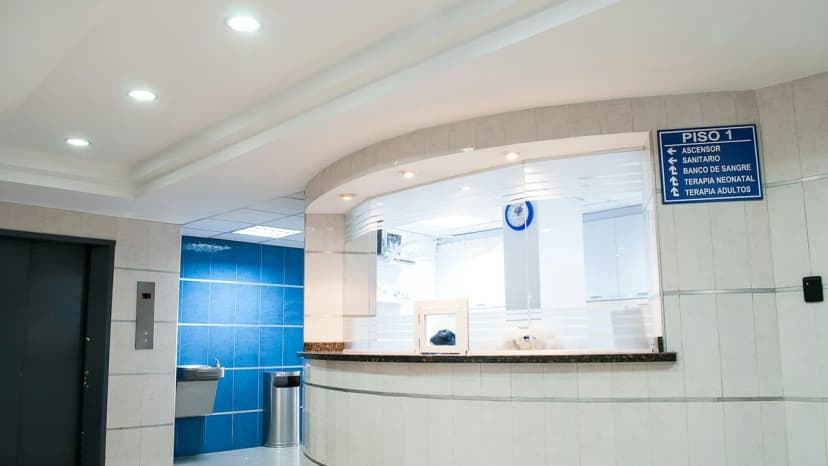



Marketplace vs. Direct Booking Comparison
| Feature | Third-Party Marketplace (e.g. Zocdoc) | Direct Website Booking |
|---|---|---|
| Cost Structure | High per-booking fee or monthly subscription | Low flat monthly software fee |
| Brand Control | Low (Listed next to competitors) | High (Exclusive brand environment) |
| Data Ownership | Platform owns the patient data | Clinic owns 100% of the patient data |
| Deposit Collection | Rarely supported / clunky | Fully customizable by procedure type |
Financial Impact of Direct Booking (Monthly Scenario)
| Metric | Using Marketplace | Using Direct Booking |
|---|---|---|
| New Patient Bookings | 40 | 40 |
| Cost Per Booking (Avg) | $35 | $0 (excluding flat software fee) |
| Total Commission Cost | $1,400 / month | $150 / month (SaaS fee) |
| Annual Savings | $0 | $15,000+ |
Essential Features of a Medical Scheduling Tool
| Feature Requirement | Purpose | Impact on Practice |
|---|---|---|
| Bi-directional EHR Sync | Prevents double-booking errors | Reduces front desk stress |
| Stripe/Payment Integration | Allows deposit collection | Drops no-show rates significantly |
| Automated Waitlist | Fills last-minute cancellations | Maximizes provider utilization |
| BAA Availability | Ensures legal compliance | Prevents catastrophic HIPAA fines |
Related Services & Recommended Guides:
Frequently Asked Questions
Will patients still find me if I leave booking marketplaces?
Yes, provided you invest the money saved from commissions into Local SEO and Google Maps optimization. When patients search for '[Specialty] near me', your optimized Google Business Profile and website should rank high, allowing them to book directly with you.
Can direct booking systems handle complex appointment types?
Absolutely. Modern systems allow for intricate conditional logic. You can require specific intake forms for new patients, block out longer times for surgical consults, and require deposits only for specific high-value services, all automatically.
What happens if a patient cancels online?
The system will immediately remove the appointment from your EHR calendar and can automatically notify patients on your digital waitlist that a slot has opened up, often refilling the cancellation without staff intervention.
Is it difficult to train older patients to book online?
The key is intuitive UX design. The booking interface must be highly visual, mobile-first, and require minimal clicks. For patients who struggle, your front desk can always manually book them into the EHR, which will sync perfectly with the website calendar.